
Three Things We Find When We Take Over a Project
We take over a lot of projects. Not every one is a disaster. Some teams did solid work and just ran out of runway. But often, we walk in and find the same three problems. They’re not random. They’re what happens when a development partner promises more than they can deliver, then spends the rest of the engagement scrambling to keep up with that promise.

When AI Takes the Backend, Communication Becomes Your Competitive Edge
The smartest thing you can do with AI isn’t to let it write for you, it’s to use it to make you sharper at the things AI can’t replace.

Code Takeovers: Changing Development Teams Doesn’t Mean Starting From Scratch
By the time a company is considering a code takeover, something has usually gone wrong. The budget has stretched. The timeline has slipped. The product may be unstable, unfinished, or just harder to work with than anyone expected.

What a Codebase Review Actually Tells You
At some point, most software-driven businesses end up here: you’re looking at a piece of software you didn’t write, yet you’re somehow responsible for its success. Cracks are starting to show, and you’re worried about what’s under the hood. You have to decide what to do next. Keep going with it. Fix what’s broken. Start over.

Code Review in the Age of AI
AI writes code fast. That’s not the problem. The problem is that fast code isn’t the same as correct code. And most teams are learning this after the code ships…

Stop Hoping AI Reads Your Mind
A couple of years ago, I was one of those people who tried AI, decided it would take more time to figure out than it was worth, and went back to doing things myself. Not because the tool was bad, but because I was terrible at using it.

The Best Career Advice I Ever Got (And Why Most High Achievers Never Hear It)
Early in my career — I’m talking call center, putting myself through college — I had a VP take an interest in me. He wasn’t my direct boss. He was my boss’s boss, but he saw something and made it his business to invest in it, nudging my director to do the same, showing up in the background of my growth without ever making it feel managed.

The Economics of Software Have Changed
AI has made it possible to build software tools for yourself. You describe what you need, point an AI at it, and suddenly you have something that works. No gatekeeping. No product manager. No paying for features you don’t need.

Fake It Till You Make It Started From A Good Place
It was never meant to be a leadership philosophy. It was a push against the limiting belief that you need to check every box before you’re allowed to level up. You don’t need to know everything today. You just have to be open to learning. That’s a genuinely useful idea.

Prompt Roulette
There’s a troubling pattern in how some people use AI. They set up vague prompts and hope for the best. When it doesn’t work, they tweak and try again. Tweak. Try. Repeat until something lands. There’s a name for this: prompt roulette.

AI Won’t Fix a Process That Isn’t Written Down
Here’s something nobody tells you when you’re buying an AI tool: the technology is probably fine. The question worth asking - before you sign anything - is whether you understand your own processes well enough to hand them to something that cannot guess.

AI Isn’t Coming for Your Job. It’s Coming for Your To-Do List.
Let me tell you about the moment I stopped worrying about AI and started using it. We were deep in a sales cycle. The client had sent over everything they had — requirements documents, meeting notes, scattered emails, a deck from six months ago that may or may not still reflect what they actually wanted.

Your AI Strategy Isn’t Stalled Because of the Technology
The board wants an AI strategy. Your team has ideas. A few vendors have already called. And somewhere between the pressure to act and the uncertainty about where to start, most companies do the same thing: they hire a consultant to write a deck.

AI Doesn’t Build Enterprise Software. People Do
Eighteen years ago I was at University of Toronto getting my Masters in AI. I was working on the logic and reasoning side of things, but I shared a lab with a number of Geoffrey Hinton’s students, including Ilya Sutskever, who co-founded Open AI.

Why Vibe-Coded Products Break in the Real World
There’s a lot of excitement right now around building products with AI. Founders ship MVPs in days. Tools promise you can describe what you want and get working software. In many cases, it does work. At least on the surface.
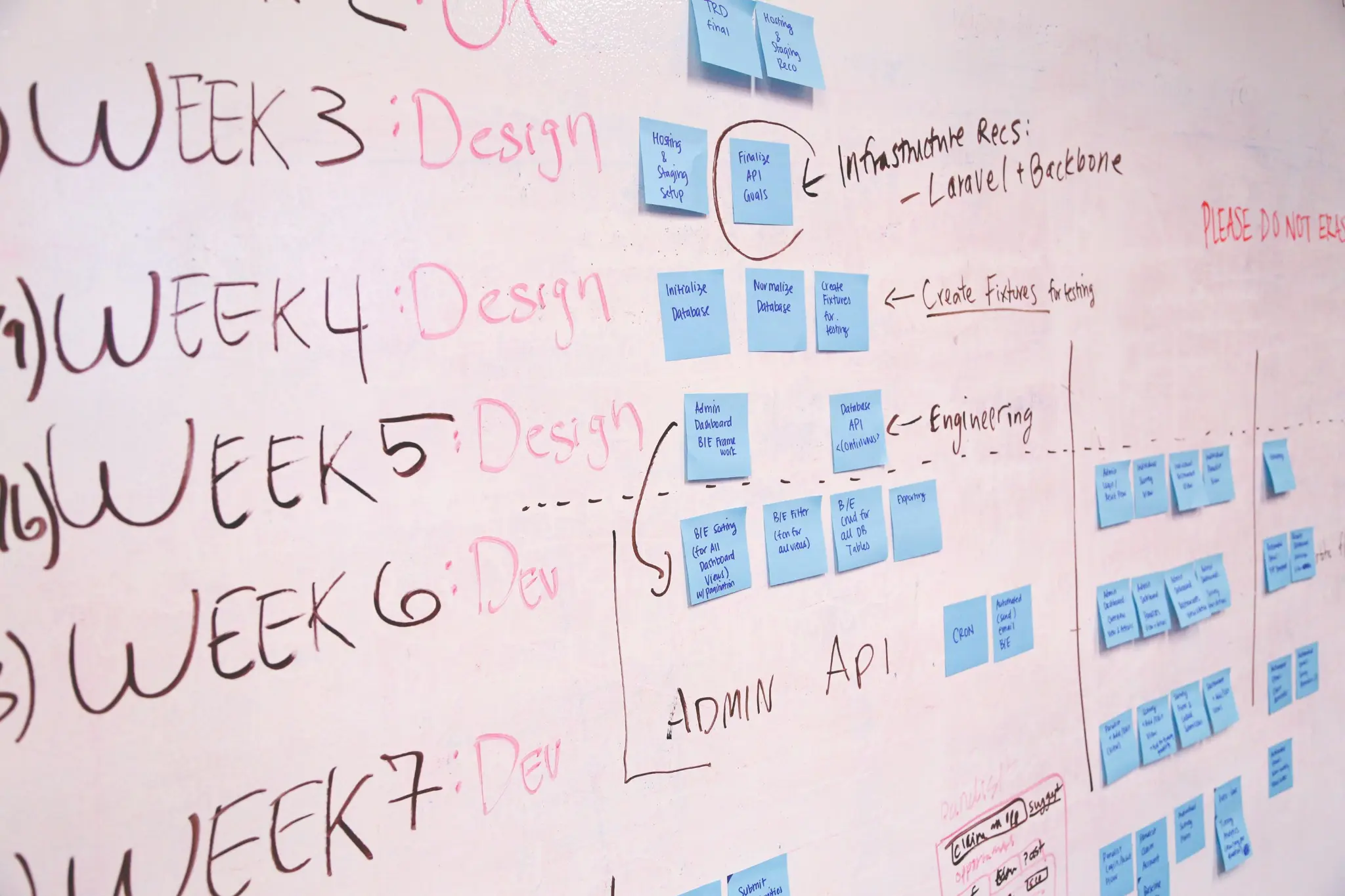
AI doesn't replace the development process. It makes it more important.
There's a narrative going around: describe what you want, and AI handles the rest. You get software. In practice? That's not how it works. Especially not if your team doesn't already know how to build software properly.

AI isn't Replacing Developers, it's Making Great Dev Teams Better
There's a growing narrative that AI is replacing developers. But no one is eliminating developers. They're changing how teams are structured — and where value comes from.
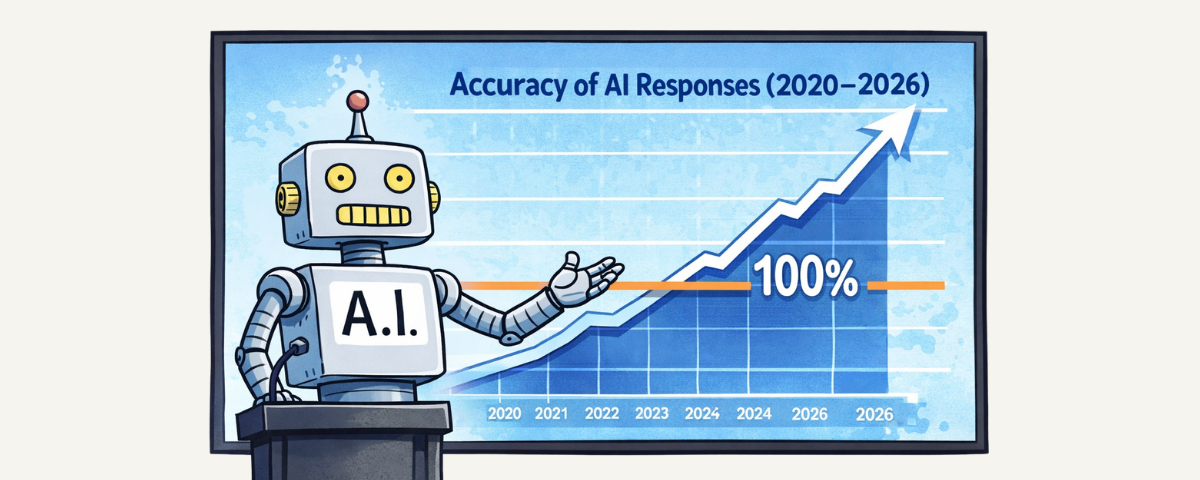
ChatGPT is Gaslighting You
I’ve been heads-down in legacy projects for six months, so when I came up for air, I had some catching up to do. The headlines were hard to ignore, AI is replacing jobs, cutting teams, changing everything. But was it real, or just hype?
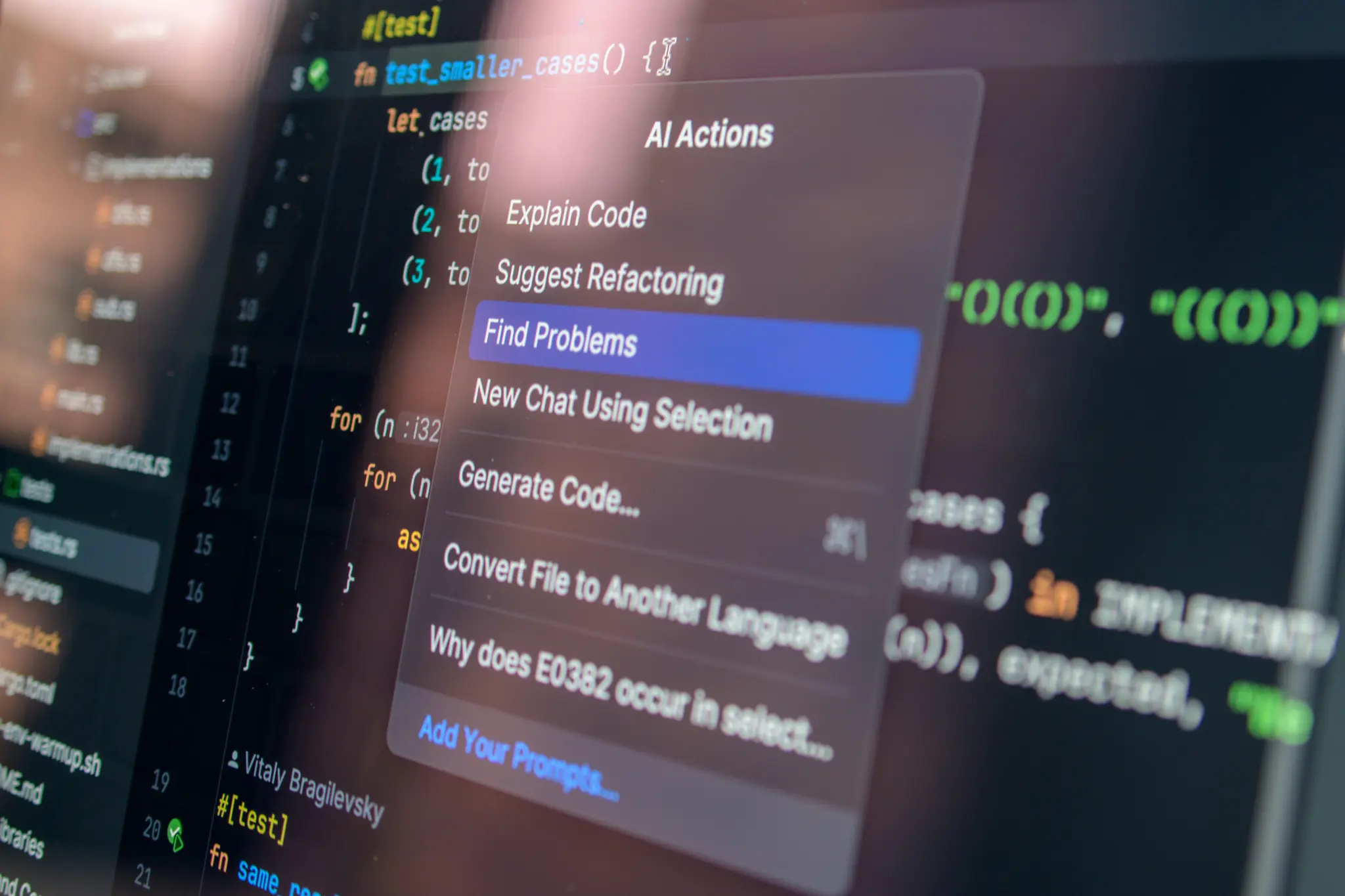
Should I Build My Platform With AI?
We spend a lot of time building with AI, and reviewing systems that were built with it. Here’s what we’ve learned.

AI-First Product Development: What It Actually Means to Build Smarter in 2026
I've been building software products since 2008. Over that time, I've seen some terms get adopted by the industry before most people fully understood them - mobile-first, cloud-native, agile. Each one started with a real shift, and each one eventually got diluted as teams applied the label without changing how they worked.

How High-Performing Development Teams Are Using AI – Iversoft
There's a lot of pressure right now to move faster, reduce team sizes, and rely more heavily on AI. In some cases, the expectation is that development should now be dramatically faster - or even handled with stripped-down teams.

Ship Smarter, Not Bigger: An AI‑First Playbook for Scrappy Product Teams
AI‑first product development doesn't have to mean a bigger team or a bigger budget. For mid‑market companies, the real opportunity is using AI to build smarter - so each sprint delivers more value without adding headcount.

AI-First, Decoded: The Misconceptions Slowing Teams Down
If you're tired of "AI-first" being used as a buzzword, this article breaks it down into clear principles you can apply to your existing roadmap. I have been building software products since 2008. I've seen terms like mobile‑first, cloud‑native, and agile get adopted long before most teams really understood them. Every one of those terms eventually got diluted by teams slapping a new label on old habits. "AI-first" is heading down the same path unless we define it in practical, testable terms. So let's be direct about what AI‑first product development means - and what it does not mean. It does not mean adding an AI chatbot to your product and calling the job done. It does not mean turning on a code completion tool and calling your team AI-enabled. It does not mean replacing engineers with prompts. Those are surface‑level applications that treat AI as a feature, not as a shift in how you build. AI‑first means every stage of your product development lifecycle - from discovery through delivery to post‑launch optimization - is informed and accelerated by intelligent tooling in ways that you can actually measure.

How One Mid-Market Platform Cut Time-to-Feature by 40% With a Dedicated Iversoft Team
When the Director of Engineering at a Canadian B2B SaaS platform first called us, she was not looking for a development agency. She was looking for a way to give her internal team their time back. The company was generating solid mid-market revenue, their product had real user adoption, and the roadmap had features that customers were genuinely asking for. The problem was that her four-person dev team was spending roughly 60% of their capacity on maintenance requests, bug triaging, and technical debt cleanup. New feature development had slowed to a pace that was becoming a competitive liability.

From Manual Processes to Digital Platform: How Iversoft Helped a National Brand Modernize and Scale
It's a story we hear often. A company has built a successful business over years — maybe decades — of hard work, strong relationships, and industry expertise. But the systems they rely on haven't kept pace with their growth. What started as manageable manual processes — clipboards, spreadsheets, paper-based approvals — has become a bottleneck that limits how fast they can serve customers, onboard partners, and scale operations.

How to Scale Your Tech Team Without Losing Control: A Guide to Strategic Team Augmentation
Scaling your engineering capacity doesn't have to mean giving up control over your product. Done right, strategic team augmentation lets you move faster while keeping standards, culture, and decision‑making firmly in your hands.

Scaling With Intention: Lessons From Growing a Product Team From 10 to 50
I've been building companies for most of my adult life. From a gaming startup in the early days of the internet, to early-stage venture capital, to joining Iversoft as CMO in 2016 and eventually stepping into the CEO role. Each of those chapters taught me something different about growth. The most important lesson, and the one that shapes almost every decision I make now: growth that isn't grounded in clarity is just chaos at a bigger scale.

Why Sustainable Tech Teams Are Built on Culture Before Compensation
Here is a conversation I have had more times than I can count. A CTO or VP of Engineering tells me they are struggling to retain senior developers. They have raised salaries. They have added stock options. They have improved the benefits package. And people are still leaving.
in Mind?
Let's talk about how we can help you build something your customers will love.
Let's Talk Strategy